Hiring a GC? First, find out what they suck at.
- Feb 19
- 4 min read
Updated: Apr 12
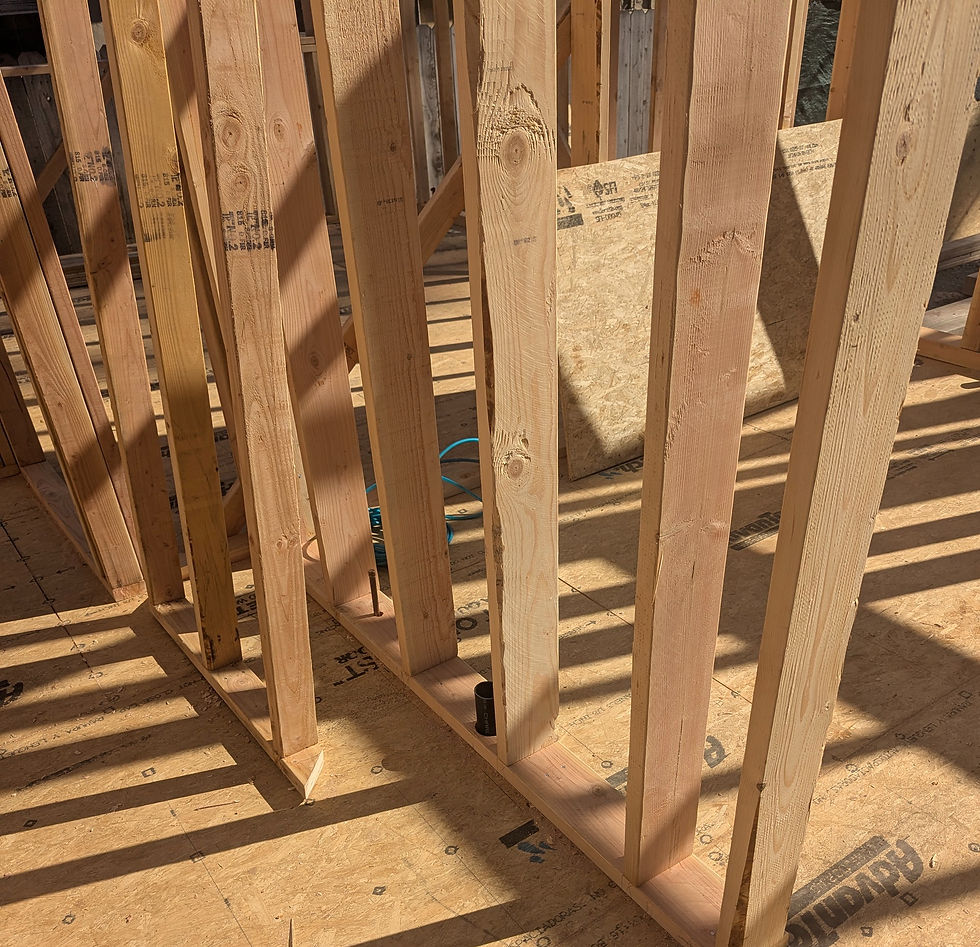
Just before I hired a general contractor for my first house build a decade ago, I called some of his previous clients to discuss their experiences. It wasn’t pretty. One burst into tears midway through the call because their project was so behind schedule; another told me part of their tiling was so bad it had to be ripped out. I took copious notes - then went ahead and hired him.
Talking with customers before you make a big hiring decision is common sense. But too many people think checking references means walking around previous house builds and admiring the finishes. In fact, it’s about asking pointed questions and then analyzing the answers - and sometimes, the answers aren’t all they seem.
I’ve been doing this kind of customer interview for a long time - first as a journalist, then as a consultant, now as a builder and Construction Doula. I’ve seen it done really well - and really badly.
Take the work I used to do helping large multinational companies choose multi-million dollar outsourcing services. The customer reference calls usually came towards the end of an exhaustive selection cycle lasting three to six months - by which time most of my clients had made their mind up about which vendor they preferred and were pretty much sick of the whole process. Often they saw the customer reference interviews as a box-checking exercise to validate their choice. I saw it as my job to conduct in-depth interviews that might challenge their decision.
Whether you’re buying outsourced services or building a house, some simple practices will help you get the most out of talking to prior customers:
Work out what information matters most to you and make sure you're equally receptive to negatives and positives. My interview questionnaires for GCs and architects each run into several pages - and they include both open questions and very specific inquiries.
Set them at their ease Most people are willing to tell you the negatives as well as the positives, but you often have to coax it out of them. Start by letting them tell you their story
Find out the “why”and the “what next” as well as the “what”. If something went wrong, what were the reasons - and how did the GC respond?
Recognize that no-one’s experiences will exactly mirror yours - so their feedback needs to be considered in your own context
Find your own customers. Most vendors will introduce you to their favorite clients, but - hard to believe - they’re going to focus on projects that went well. You can still learn a lot from these calls, but you may get a different perspective if you find your own interviewees
Which brings me back to my GC’s clients. Yes, I was shocked when the first customer burst into tears, stressed out because the lease on her rental property was ending and her new home wasn’t complete. But construction projects never go according to plan. It rains. PG&E delays you. Materials get delayed. Contractors and subcontractors are over-optimistic. PG&E delays you again. Even with the best project manager in the world, you still need to plan for the worst, while hoping for the best.
And the poor tiling? Yes, it shouldn’t happen. But what was more important to me was how the GC dealt with the problem - by taking it out and replacing it at his own expense. You can swap in a subcontractor - in fact, we brought in a specialist tiler for our first build who we’ve worked with ever since - but you can’t work with a GC who refuses to take responsibility for their team’s mistakes.
Above all, the rest of the customer feedback was positive, from praising the GC’s excellent construction skills to his integrity, work ethic, and flexibility when things go wrong. Plus he's just fun to work with. Those were the traits that really mattered to me - and why we ended up with a fabulous home.
IMPORTANT NOTICES:
All content provided here is provided for general informational purposes only. The Dachshund's Undercarriage and Keith Rodgers:
Make no representations or warranties regarding accuracy, completeness, or timeliness
Assume no responsibility for errors or omissions
Are not responsible for any results obtained from use of the information
No Professional Advice. Nothing on this Site constitutes legal, financial, real estate, or other professional advice. You should consult appropriate licensed professionals before making decisions.
All content is provided “as is” and “as available”, without warranties of any kind, express or implied, including merchantability or fitness for a particular purpose.
Please review our full “Terms and Conditions”, which govern your use of this website.
If you are represented by a real estate broker to sell your property or purchase property, this is not intended as a solicitation.
The views expressed in this article do not necessarily reflect the views of Pinnacle Realty Advisors. Pinnacle Realty Advisors is a licensed real estate broker (02220139) in the State of California and abides by Equal Housing Opportunity laws.
Comments